Tag Archives: Stainless steel

Proud Members of the British Stainless Steel Association

What It Means for Our Customers

Stainless steel plays a crucial role in modern engineering, and the organisations that support its development help shape the strength and future of our industry. Because of this, Hague Fasteners proudly maintain our membership with the British Stainless Steel Association (BSSA)- a leading body that champions the manufacture, use, and advancement of stainless steel across the UK and Ireland. Moreover, our renewed membership, now confirmed until December 2026, demonstrates our ongoing dedication to quality, collaboration, and continuous improvement within UK manufacturing and the wider stainless steel community. As a result, we remain closely connected to the standards, innovation, and expertise that continue to drive the industry forward.
A Strong Network Supporting the Stainless Steel Supply Chain

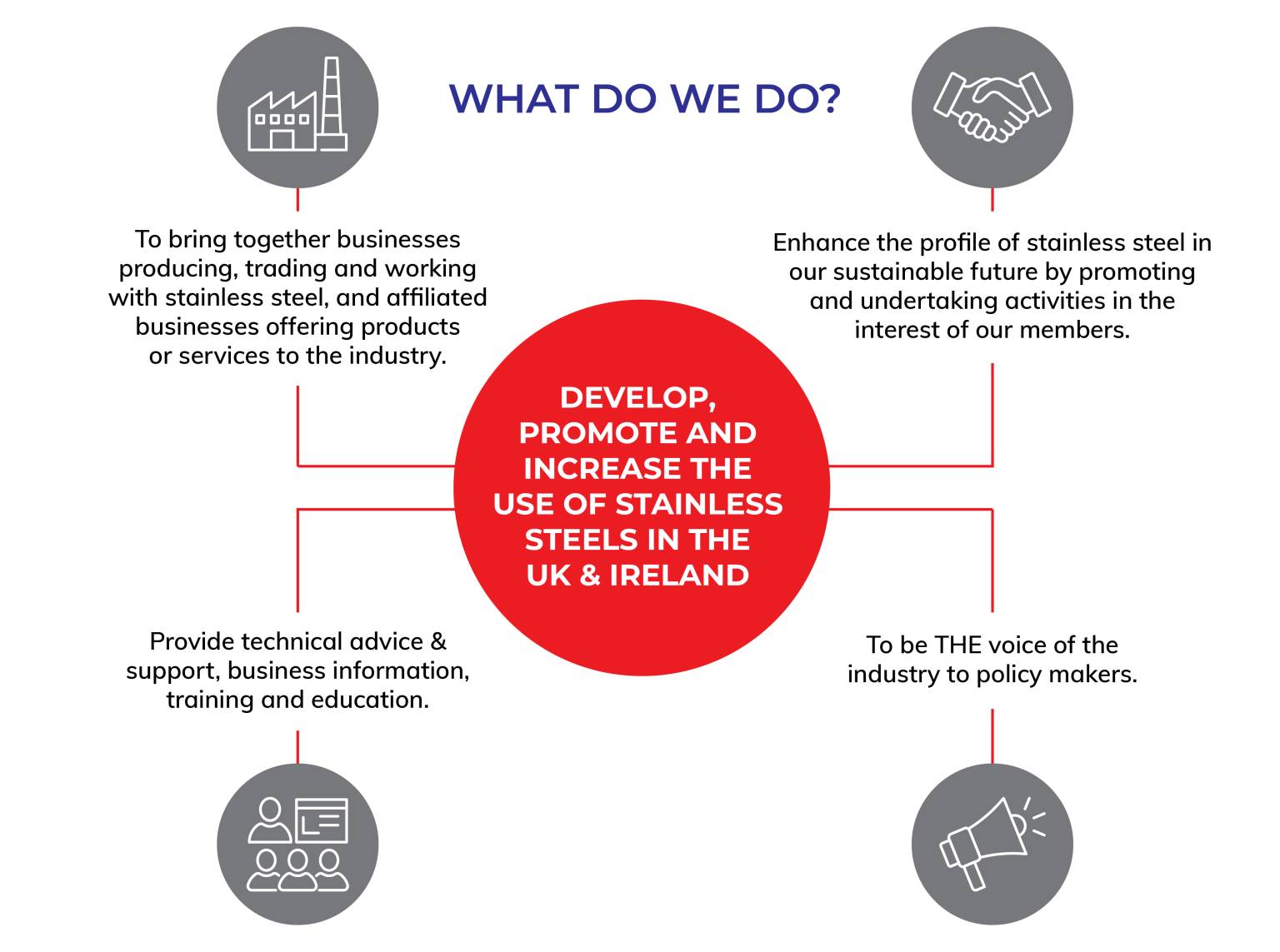
The BSSA brings together every part of the stainless steel supply chain, from raw material extraction through to production mills, processors, distributors, manufacturers, and recyclers. This broad community creates a powerful network of expertise and innovation, and it ensures stainless steel remains central to the UK and Irish economies. Moreover, the association provides members with technical support, training, education, and essential industry insights, helping companies like ours stay aligned with the highest standards in British stainless steel production and UK manufacturing excellence.

The Role of the BSSA in Today’s Industry

Based in Sheffield, the historic home of stainless steel, the BSSA acts as the voice of the sector. It offers marketing support, technical guidance, and access to vital industry information that strengthens the entire stainless steel community. As a result, membership goes far beyond a simple affiliation; it reflects a commitment to raising standards, improving best practice, and supporting the long term growth of stainless steel in today’s world. The BSSA Board reviews all applications quarterly and holds full authority over membership approvals, ensuring the association continues to represent the very best of British stainless steel expertise.

What Membership Means for Hague Fasteners

At Hague Fasteners, we take great pride in being part of this respected organisation. Our renewed membership reinforces our position as a trusted UK manufacturer and highlights our dedication to delivering high quality specialist fasteners to industries that rely on performance, reliability, and precision. It also strengthens our role within UK manufacturing, where stainless steel remains a cornerstone material for safety critical applications.

Our Expertise in Stainless Steel Fasteners

We specialise in manufacturing specialist fasteners, including special bolts, nuts, studs, and general fasteners in all stainless steel grades. Whether you need corrosion resistant components for offshore environments, high integrity fasteners for chemical processing, or bespoke items for extreme operating conditions, our team is ready to support your project. Stainless steel remains the material of choice across many sectors because of its superior corrosion resistance, durability, and long term performance — and we engineer every fastener to meet those expectations. This commitment ensures our customers receive the highest quality solutions within the British stainless steel supply chain.

How BSSA Membership Benefits Our Customers

Membership of the BSSA also gives our customers direct benefits. The association’s website includes a full directory of members, covering everything from mills and stockholders to processors and end users. This resource allows buyers, engineers, and procurement teams to explore the wider stainless steel supply chain, understand the capabilities of each company, and gain confidence in the quality and traceability of the materials they specify. Therefore, when you choose Hague Fasteners, you gain more than a manufacturer — you gain access to a wider network of trusted stainless steel experts who support the strength of UK manufacturing and the reliability of specialist fasteners.

Our Commitment to the Future

As we look ahead to the next phase of our membership, we remain committed to supporting the values of the BSSA: innovation, sustainability, collaboration, and continuous improvement. Stainless steel continues to play a vital role in modern engineering, and we are proud to contribute to its future through our work in British stainless steel, UK manufacturing, and the production of high integrity specialist fasteners.

Request a Quotation

If you require stainless steel nuts, bolts, studs, or any other specialist fasteners, please contact Hague Fasteners today for an immediate quotation. Our team will help you select the right materials and deliver fasteners engineered for performance in the most demanding environments.

Connect with Hague Fasteners

Best Materials For Specialist Nuts And Bolts: A Complete Buyer’s Guide

Choosing the right material for your specialist fasteners is just as important as choosing the right manufacturing partner. The material you select determines how your fasteners perform under pressure, heat, corrosion, and long‑term operational stress. Therefore, understanding the strengths of high performance alloys helps you make confident, specification‑driven decisions. Moreover, selecting the correct material early in the process ensures your components remain reliable throughout their service life. As a result, buyers who understand material behaviour can avoid costly failures and unnecessary downtime.

This guide therefore breaks down the most commonly used materials in precision fastener manufacturing and clearly explains what each one is best suited for. It also shows how different alloys behave in real‑world conditions, so you can make informed choices when selecting corrosion resistant nuts and bolts for demanding environments. Moreover, by understanding how each material performs under heat, pressure, and chemical exposure, you can match your specialist fasteners to the exact challenges of your project. As a result, you gain the confidence to specify the right material from the start and avoid costly issues later in the process.

Nickel Alloys

Nickel alloys offer exceptional corrosion and heat resistance, making them ideal for high temperature, high pressure environments such as petrochemical and offshore applications where corrosion resistant nuts and bolts are essential.

Inconel

Inconel delivers outstanding strength at extreme temperatures, so it is commonly used for fasteners in turbines, exhaust systems, and harsh thermal environments that require high performance alloys to maintain integrity.

Monel

Monel provides excellent resistance to seawater and acidic conditions, which makes it a strong choice for marine, subsea, and chemical processing applications where specialist fasteners must withstand aggressive environments.

Hastelloy

Hastelloy withstands aggressive chemicals and severe corrosion, therefore it is used in chemical plants, flue gas systems, and highly corrosive industrial environments that depend on corrosion resistant nuts and bolts for long term reliability.

Titanium

Titanium combines high strength with very low weight and superb corrosion resistance, making it suitable for aerospace, medical, and high performance engineering where specialist fasteners must deliver strength without added weight.

Duplex Stainless Steel

Duplex grades offer a balance of high strength and excellent corrosion resistance, so they are widely used in offshore, desalination, and structural applications that require high performance alloys for durability.

Stainless Steel

Stainless steel provides reliable corrosion resistance and durability, making it a versatile choice for general corrosion resistant nuts and bolts across manufacturing, construction, and engineering.

Why Material Selection Matters

Choosing the correct material is not just a technical decision. It affects safety, longevity, compliance, cost efficiency, and performance. Moreover, selecting the right material early helps avoid redesigns, delays, and unexpected costs, especially when specifying specialist fasteners for critical applications.

How Hague Fasteners Support Material Selection

As a specialist manufacturer of precision corrosion resistant nuts and bolts, Hague Fasteners work directly with buyers, engineers, and project teams to recommend the most suitable material for every application. Their team provides clear guidance on corrosion resistance, temperature performance, and certification requirements, and they ensure your fasteners use the correct high performance alloys for the environment they will operate in.

Material selection plays a crucial role when you specify specialist fasteners. When you understand the strengths of each alloy, from Inconel to Duplex Stainless Steel , you can choose corrosion resistant nuts and bolts that deliver the performance, safety, and reliability your project demands. Choosing the right high performance alloys also protects your assets, supports smooth operations, and strengthens long term results.

Speak to Hague Fasteners

If you need guidance on selecting the correct material for your specialist fasteners, contact Hague Fasteners today. Their team will review your specifications and recommend the most suitable alloy for your application.

Connect with Hague Fasteners

Fastener fatigue life and failure analysis in harsh offshore environments

The offshore oil industry operates in some of the harshest environments on earth, with subsea equipment and pipelines subjected to extreme conditions such as high pressure, temperature, and corrosive seawater. Fasteners used in these environments are critical components that hold everything together, and their failure can have serious consequences such as leaks, spills, and equipment damage. This publication focuses on the impact of seawater exposure and cyclic loading on bolt failure in offshore platforms and recommends preventive measures to mitigate this risk.

Fastener fatigue life

Fastener fatigue is a common mode of failure in offshore platforms, where equipment and pipelines are subjected to cyclic loading over long periods. This loading can cause microscopic cracks to form in the fastener material, which can grow and eventually lead to catastrophic failure. Fastener fatigue life is influenced by several factors, including the material properties, the design of the joint, the loading conditions, and the operating environment.

Material properties

The choice of material for fasteners is critical in harsh offshore environments, where seawater exposure and corrosive gases can cause rapid degradation of certain materials. Common materials used for fasteners in offshore platforms include carbon steel, alloy steel, and stainless steel. Carbon steel is the most common material due to its high strength and low cost, but it is also susceptible to corrosion in seawater. Alloy steel and stainless steel are more resistant to corrosion, but they are also more expensive and may not be suitable for all applications.

Design of the joint

The design of the joint can also have a significant impact on fastener fatigue life. Factors such as the size and shape of the fastener, the number of fasteners, and the preload applied to the joint can all affect the fatigue behaviour. For example, joints with too few fasteners or insufficient preload may experience higher stress concentrations and be more prone to fatigue failure.

Loading conditions

The loading conditions that fasteners are subjected to can also impact fatigue life. In offshore platforms, cyclic loading is common due to the continuous movement of the platform caused by waves and wind. The frequency and magnitude of the cyclic loading can vary depending on the location and weather conditions, and can significantly affect the fatigue behaviour of the fasteners.

Operating environment

The operating environment in offshore platforms can also affect fastener fatigue life. Seawater exposure is a major concern, as it can cause corrosion and stress corrosion cracking in certain materials. The presence of corrosive gases such as hydrogen sulphide can also accelerate degradation and increase the risk of failure.

Case study: Impact of seawater exposure and cyclic loading on bolt failure

To illustrate the impact of seawater exposure and cyclic loading on bolt failure in offshore platforms, a case study is presented here. The case study focuses on a subsea pipeline connection in the North Sea, where several bolts failed after only a few years of service.

The pipeline connection consisted of two flanges, each with 12 bolts, that were connected using a bolt tensioning system. The bolts were made of carbon steel and had a diameter of 1 inch. The pipeline was exposed to seawater and subjected to cyclic loading due to the continuous movement of the platform caused by waves and wind.

After a few years of service, several bolts in the connection failed due to fatigue. Failure analysis revealed that the bolts had developed fatigue cracks at the root of the threads, which had grown and eventually led to complete fracture. The cracks were caused by the cyclic loading of the pipeline, which had exceeded the fatigue limit of the bolts.

Further analysis also revealed that the seawater exposure had accelerated the corrosion of the bolts, reducing their strength and contributing to the fatigue failure. The combination of cyclic loading and seawater exposure had therefore significantly reduced the fatigue life of the bolts, leading to premature failure.

Preventive measures

To prevent fastener failure in offshore platforms, several preventive measures can be implemented. These measures include:

  1. Material selection: Choosing the right material for fasteners is critical in offshore platforms. Corrosion-resistant materials such as alloy steel and stainless steel are preferred for applications where seawater exposure is a concern.
  2. Coatings: Applying coatings such as zinc, cadmium, or other anti-corrosion coatings can help protect fasteners from the corrosive effects of seawater. However, the coating must be carefully selected based on the specific application and environmental conditions.
  3. Preload: Properly tightening fasteners to the recommended preload can help distribute the load evenly and reduce stress concentrations. This can help prevent fatigue cracks from forming and improve the fatigue life of the joint.
  4. Inspection: Regular inspection of fasteners can help detect early signs of corrosion, cracking, or other defects. This can help identify potential problems before they become serious and allow for preventive measures to be implemented.
  5. Maintenance: Proper maintenance of offshore equipment and pipelines is critical to preventing fastener failure. Regular cleaning and inspection can help reduce the impact of seawater exposure and ensure that fasteners are functioning properly.

Conclusion

Fastener fatigue life and failure analysis are critical issues in offshore platforms, where equipment and pipelines are subjected to extreme conditions such as seawater exposure and cyclic loading. The case study presented here illustrates the impact of these factors on bolt failure and highlights the importance of preventive measures to mitigate the risk.

Proper material selection, coatings, preload, inspection, and maintenance can all help improve the fatigue life of fasteners and prevent premature failure. By implementing these measures, offshore operators can reduce the risk of equipment damage, spills, and environmental damage, and ensure the safe and reliable operation of their assets.