
Materials · Stainless steels
316 stainless steel bolts and fasteners
HAGUE FASTENERS makes 316 stainless steel bolts to order: bolts, studs, nuts and machined parts in 316 and 316L stainless steel, made to your drawing from certified, traceable bar, including ASTM A193 B8M and ISO 3506 A4 bolting.
2 to 3% Mo
Molybdenum for chloride pitting resistance
B8M
ASTM A193 bolting grade
A4
ISO 3506 steel group
1 to 500
Single prototypes to batches of several hundred
About the alloy
The chemical process grade
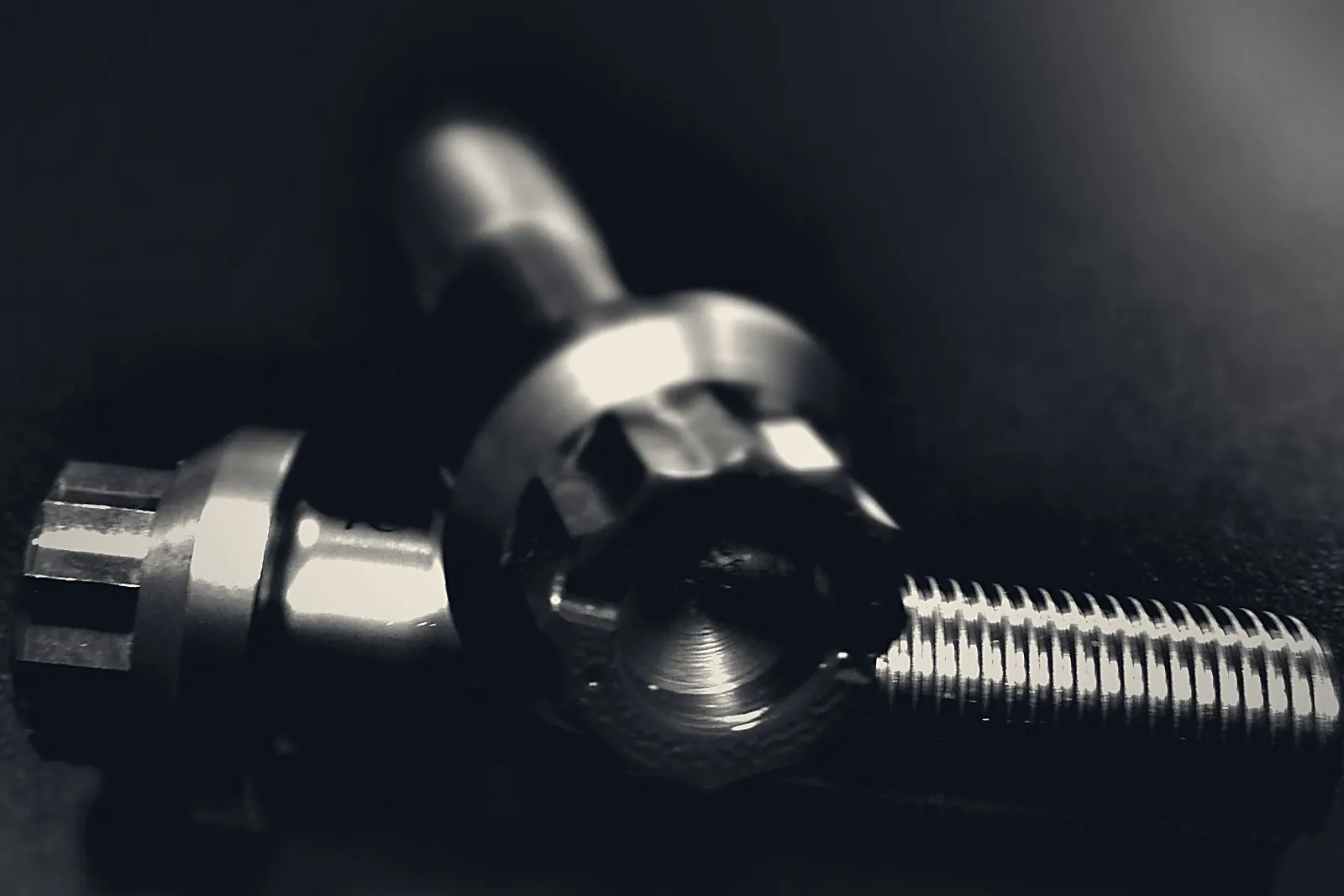
HAGUE FASTENERS makes 316 stainless steel bolts, studs, nuts and special fasteners in the UK. Grade 316 is a molybdenum alloyed austenitic stainless steel and the most popular chemical process grade for stainless steel fasteners.
Its 2 to 3% molybdenum gives better resistance to pitting and crevice corrosion in chlorides than 304, which is why 316 is the usual choice for marine, coastal and process plant fasteners. 316L is the low carbon version, which reduces the risk of carbide precipitation during welding. See all stainless steels.
At a glance
- Molybdenum alloyed austenitic stainless
- Better chloride resistance than 304
- Tough at low temperature
- Essentially non-magnetic when annealed
- 316L low carbon for welded parts
Chemical composition
316 stainless steel chemical composition
Weight %.
| Element | Min % | Max % |
|---|---|---|
| Ni | 10.0 | 14.0 |
| Cr | 16.0 | 18.0 |
| Mo | 2.0 | 3.0 |
| Mn | – | 2.0 |
| Si | – | 0.75 |
| C (316) | – | 0.08 |
| C (316L) | – | 0.030 |
| S | – | 0.03 |
| P | – | 0.045 |
| N | – | 0.1 |
| Fe | – | Balance |
These figures are for general information only and may change without notice. We believe them to be accurate, but HAGUE FASTENERS LIMITED gives no warranty and accepts no liability for their accuracy or completeness. Actual properties may vary, and nothing here guarantees the material for a particular use.
Applications
Stainless steel fasteners we make in 316
We make a full range of custom stainless steel fasteners in 316, for marine, offshore, chemical, food and water treatment plant, and for low temperature service as ASTM A193 B8M.
Designations
Alternative designations and specifications
UNS S31600, UNS S31603, W.Nr 1.4401 (316), W.Nr 1.4404 (316L), EN 1.4401, EN 1.4404. ASTM: A 240, A 276, A 312, A 479. ASME: SA-240, SA-312, SA-479.
In ASTM A193, 316 is bolting grade B8M, supplied as Class 1 (carbide solution treated) or Class 2 (strain hardened for higher strength), with matching nuts to ASTM A194 grade 8M. In ISO 3506, 316 type steels form the A4 group, with property classes A4-50, A4-70 and A4-80.
What we make
316 stainless steel fasteners and components
Made to your drawing or to the standard you specify.
Certification and testing
Certified, traceable and tested
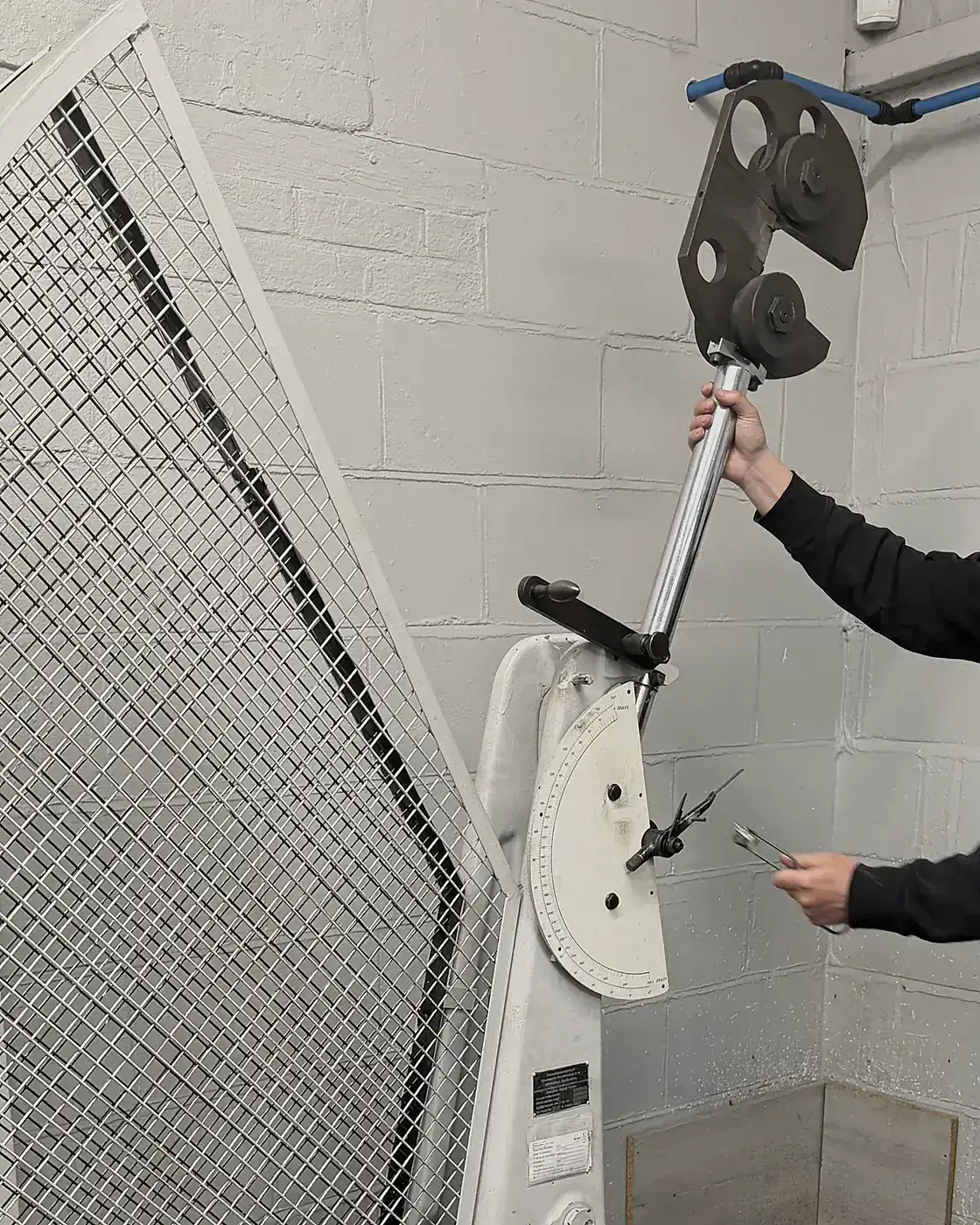
316 stainless steel bar comes from approved UK, EU or US mills with heat traceability to release. We supply EN 10204 3.1 or 3.2 certificates, PMI where specified and independent UKAS-accredited testing. See quality and testing.
Questions
Frequently asked questions
What is the difference between 316 and 304 stainless steel bolts?
316 stainless steel bolts contain 2 to 3% molybdenum, which 304 does not. That gives 316 better resistance to pitting and crevice corrosion in chlorides, so it is preferred for marine and chemical service.
What is the difference between 316 and 316L?
316L has a lower carbon limit than 316. The lower carbon reduces carbide precipitation during welding, which protects corrosion resistance next to welds.
What does A4-80 mean?
A4-80 is an ISO 3506 property class: A4 is the 316 type steel group and 80 means a minimum tensile strength of 800 MPa. A4-70 has a minimum of 700 MPa.
Are 316 stainless steel bolts suitable for seawater?
They perform well in marine atmospheres, but can pit or crevice corrode when fully immersed in warm seawater. For immersed service, super duplex or Inconel 625 is often specified.
316 stainless steel enquiry?
Send us your drawing or specification
Tell us the grade, condition, sizes, quantity and paperwork you need.