
Materials · Stainless steels
Stainless steel fasteners
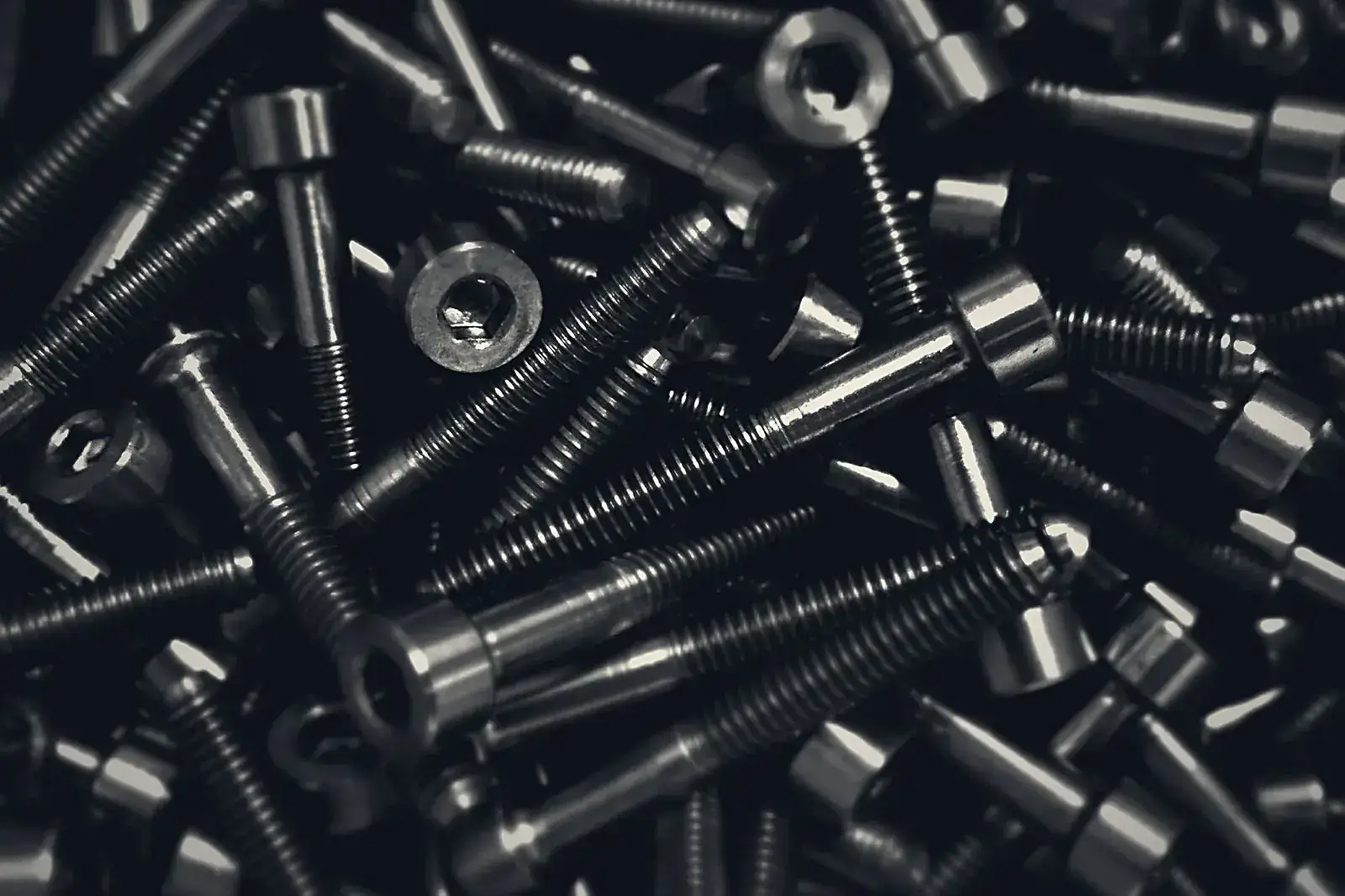
HAGUE FASTENERS makes stainless steel fasteners to order in the UK: bolts, studs, nuts and machined parts in A2 and A4, ASTM B8 and B8M, 303, 304, 316, 317, 310, 347, martensitic and precipitation hardening grades, and Nitronic, from certified, traceable bar.
A2 / A4
Property classes 50, 70 and 80
B8 / B8M
ASTM A193 Class 1 and Class 2
12 grade guides
From 303 to 17-4PH and Nitronic 60
UK, EU, US
Mill origin of every bar we use
Why stainless
Corrosion resistance for everyday and demanding duty
Stainless steel fasteners resist corrosion through a chromium-rich surface film. Austenitic 304 and 316 are the everyday choice; martensitic grades such as 410 and 431 can be hardened for strength and wear; and precipitation hardening 17-4PH combines high strength with good corrosion resistance.
For metric fasteners, ISO 3506 property classes A2 (304 type) and A4 (316 type) in classes 50, 70 and 80 set the strength. For pressure and temperature bolting, ASTM A193 B8 (304) and B8M (316) are specified, as Class 1 solution treated or Class 2 strain hardened for higher strength. B8 and B8M are also used for low temperature service.
Grades we use
- A2 and A4, classes 50, 70 and 80
- 303, 304, 316, 321, 310, 347
- 410, 416, 420, 431, 422
- B8, B8M, B8T, including Class 2
- B8X, B8MX, B8TX, B8C and B6
- C3-80, 17-4PH, FV520B, B50A125E
- Nitronic 50 and 60, 904L
Grades
Stainless grades we machine
Select a grade for its composition, properties and equivalent designations. Nimonic 80A is a nickel alloy, listed here alongside our high temperature grades.
Stainless 303
Free-machining austenitic grade with good strength and corrosion resistance.
Stainless 304/304H
The original 18-8 grade: strength, corrosion resistance and fabricability. A2 and B8 type.
Stainless 316/316L
Molybdenum alloyed; the most popular chemical process grade. A4 and B8M type.
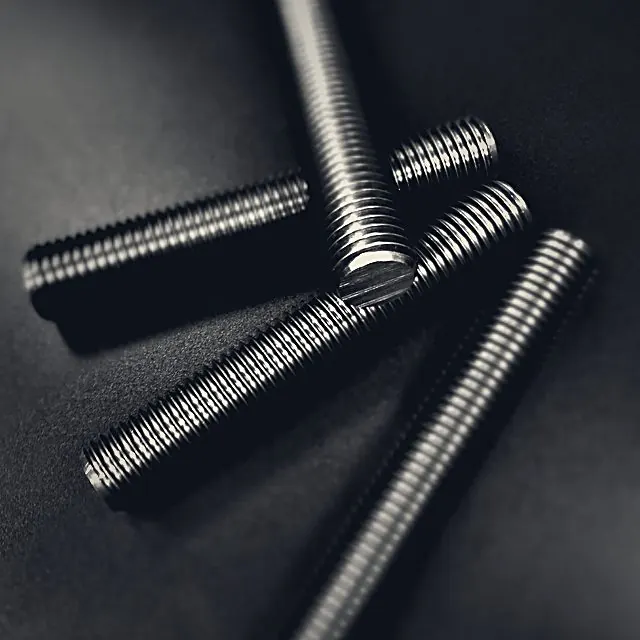
Stainless 317/317L
More molybdenum than 316L for improved pitting resistance.
Stainless 310
Austenitic grade for high temperature duty, from furnaces to refractory anchors.
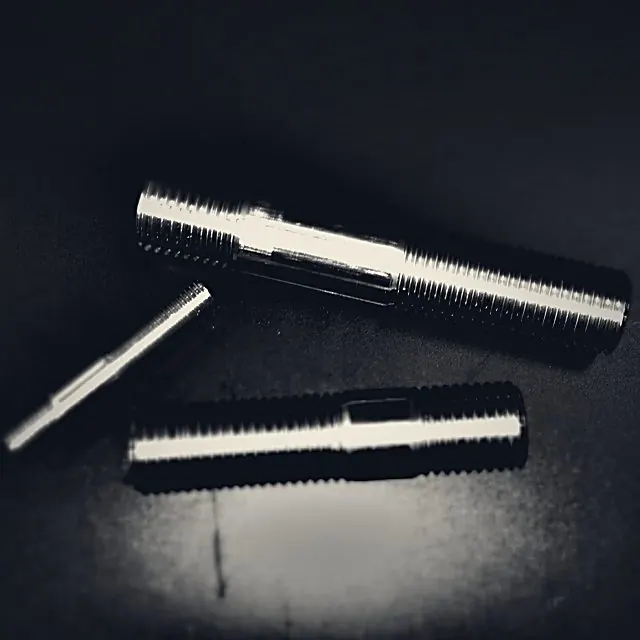
Stainless 347
Niobium stabilised 304 for service in the carbide precipitation range.
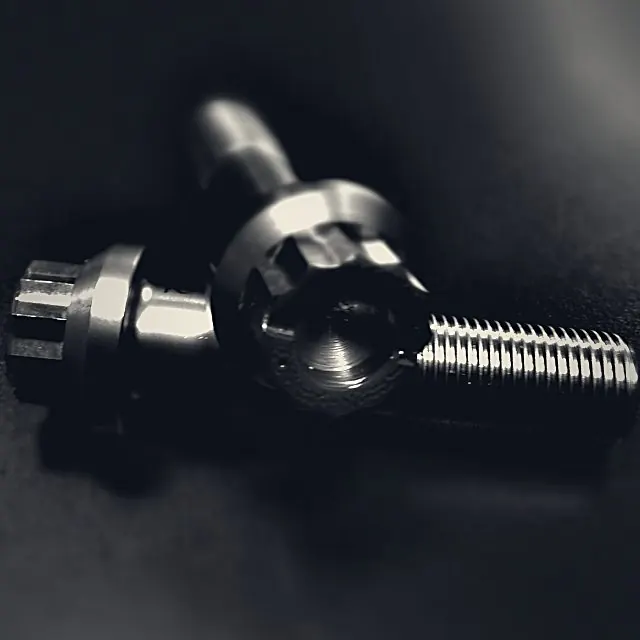
Stainless 17-4PH
Precipitation hardening for high strength with good corrosion resistance and toughness.
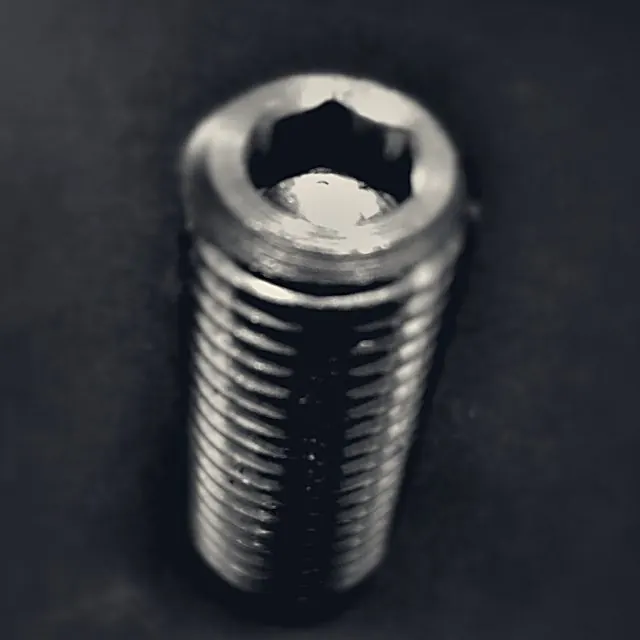
Stainless 410
Hardenable straight chromium grade combining wear resistance with corrosion resistance.
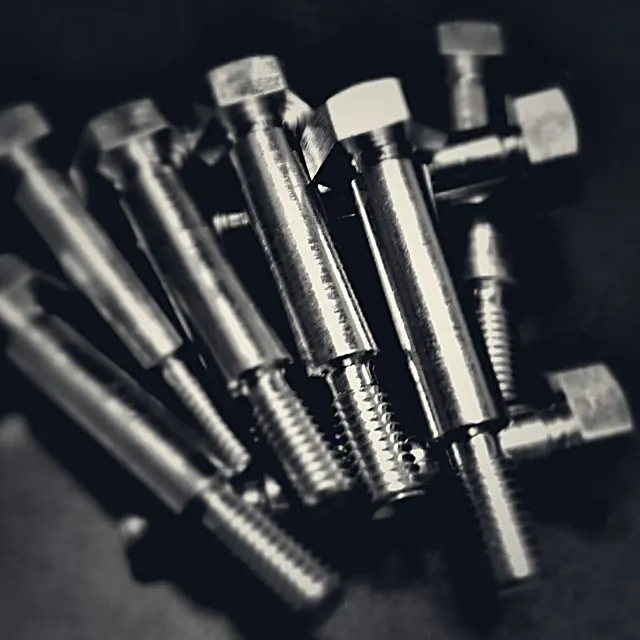
Stainless 431
Martensitic grade with high impact strength and the best corrosion resistance of its type.
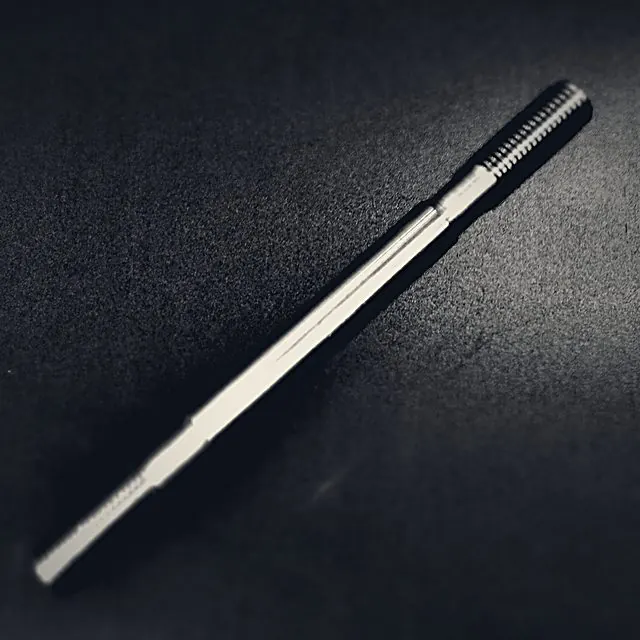
Nitronic 50
Nitrogen strengthened austenitic, with corrosion resistance comparable to 316 and almost double the yield strength.
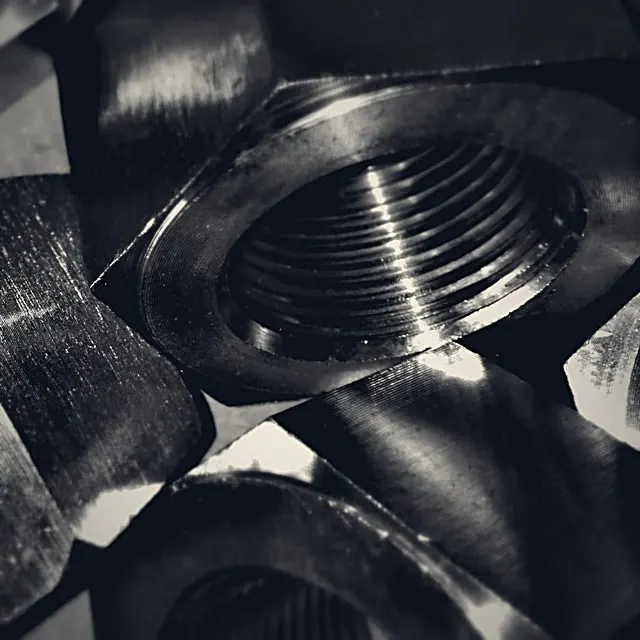
Nitronic 60
Anti-galling stainless for high wear duty where seizing is a concern.
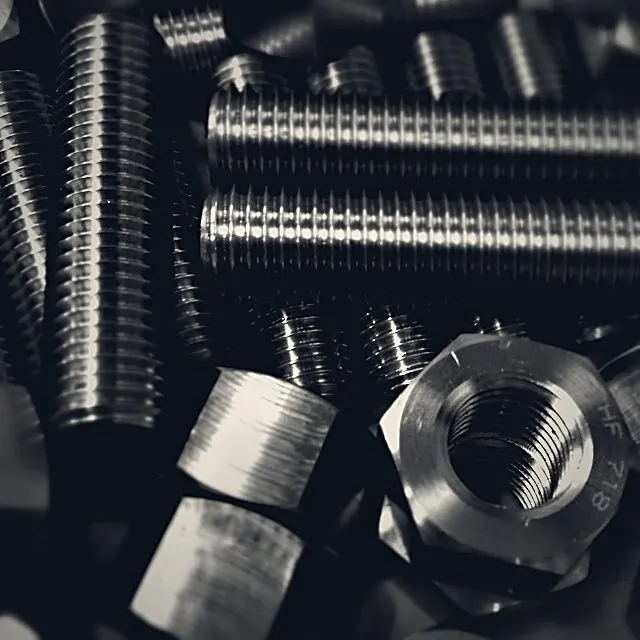
Nimonic 80A
Precipitation hardenable nickel-chromium alloy for high temperature bolts and turbine parts.
Choosing a grade
Matching the grade to the duty
Typical selections only. For seawater or strong chlorides, consider super duplex; for heat or aggressive chemicals, Inconel or Hastelloy.
| Service environment | Grades usually considered |
|---|---|
| General corrosion resistance, metric fasteners | A2, A4 (304, 316) |
| Pressure and process bolting | B8, B8M, Class 1 or Class 2 |
| Chemical process and chlorides | 316/316L, 317/317L, 904L |
| High temperature | 310, 347, 321, Nimonic 80A |
| High strength | 17-4PH, 431, Nitronic 50 |
| Wear and galling | Nitronic 60, 410 |
| Low temperature | B8, B8M |
What we make
Stainless steel fasteners and components
Studs and studbolts
Stud bolts, engineer studs, waisted studs and tie bars
Bolts and screws
Hexagon, 12-point, fitted and special head bolts
Nuts
Hex, heavy hex, jam, flange and special nuts
Washers
Plain, machined, spherical and tab washers
Socket screws
Non-standard cap, set, shoulder and countersunk screws
Turned and milled parts
Plugs, pins, bushes and components to drawing
Proving the material
Certified from mill to final release
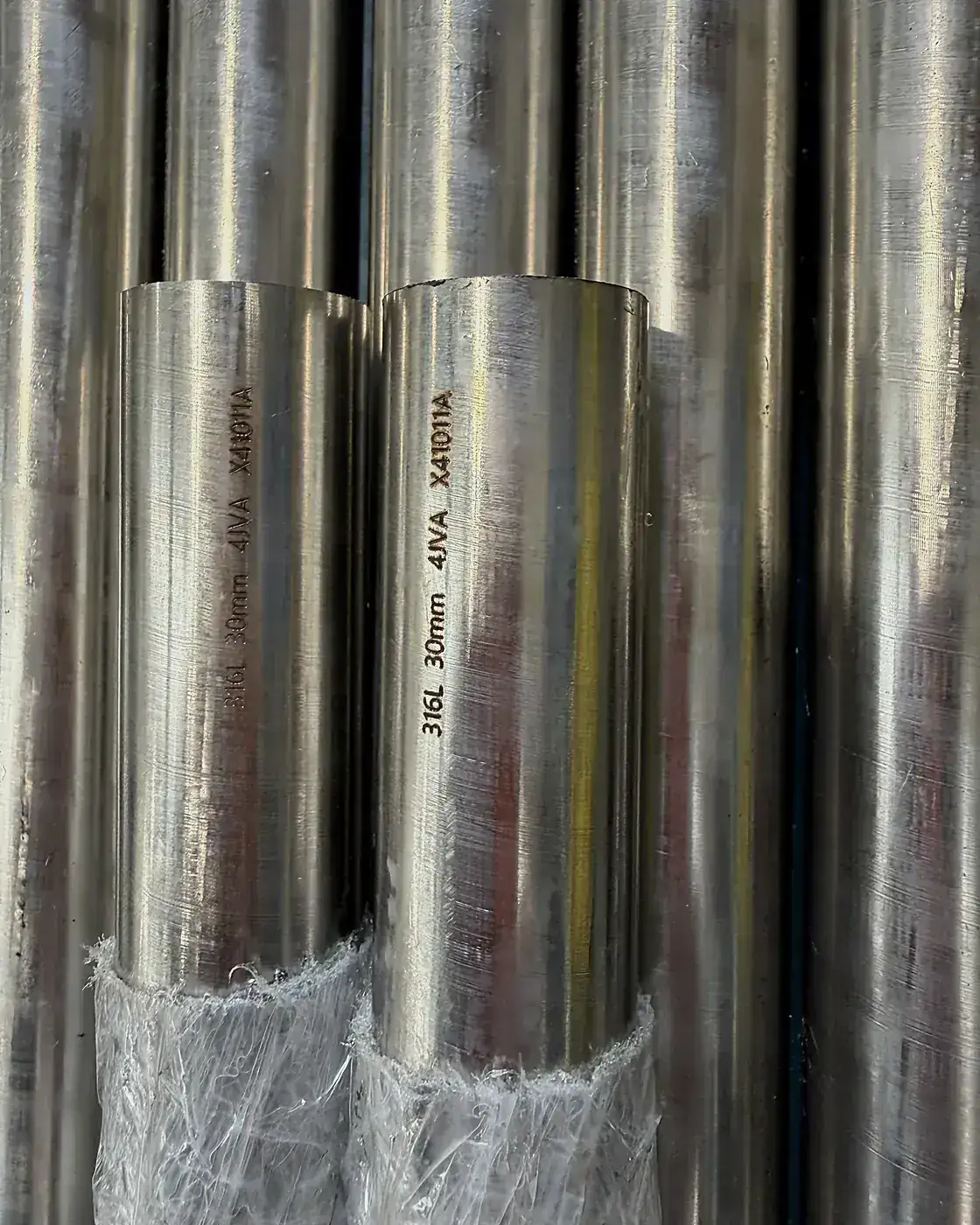
Every bar comes from an approved UK, EU or US mill with its certificate, and the heat number is carried through to release. Intergranular corrosion testing, PMI and chemical analysis confirm the grade where specified, and independent UKAS-accredited testing and EN 10204 3.1 or 3.2 certificates are supplied as your order requires. See quality and testing.
- Mill certificates and heat traceability
- PMI and chemical analysis
- Intergranular corrosion testing where specified
- Passivation to QQ-P-35 by approved partners
- Laser-marked heat codes or part numbers
Questions
Frequently asked questions
What is the difference between A2 and A4 stainless?
A2 is a 304 type stainless and A4 is a 316 type with added molybdenum. A4 resists chlorides and marine conditions better, so it is chosen for coastal and chemical duty.
What do A4-70 and A4-80 mean?
The number is the ISO 3506 property class: 70 means a minimum tensile strength of 700 MPa and 80 means 800 MPa. Class 50 is the softer, unhardened condition.
What is the difference between B8 and B8M?
B8 is ASTM A193 bolting in 304 stainless and B8M is 316. Both come as Class 1, solution treated, or Class 2, strain hardened for higher strength.
Are stainless steel fasteners magnetic?
Austenitic stainless steel fasteners such as 304 and 316 are essentially non-magnetic, though cold working can add slight magnetism. Martensitic and precipitation hardening grades such as 410, 431 and 17-4PH are magnetic.
Do stainless bolts gall?
They can. Stainless threads are prone to galling under load, so anti-seize, a coating, or a galling-resistant grade such as Nitronic 60 is used where it matters.
Useful tools
Free engineering tools
- Material equivalents finder: find the EN, UNS, ASTM, BS and JIS equivalents of a grade, such as 1.4462 or 316.
- Bolt torque calculator: tightening torque and preload for metric, UNC, UNF, BSW and BSF threads.
- Galvanic corrosion checker: check the corrosion risk when joining dissimilar metals.
- Bar weight calculator: weight of round, square and hexagon bar and plate per metre and per piece.
Free to use, no sign-up. See all our engineering tools.
Stainless enquiry?
Send us your drawing or specification
Tell us the grade or property class, sizes, quantity and documentation you need and we will come back to you quickly.