Tag Archives: corrosion effects on fastener performance

The Hidden Dangers of Corrosion in Fasteners

The Effects of Corrosion on Fastener Performance and Integrity

Corrosion is one of the most significant threats to fastener performance. It weakens materials, reduces load bearing capacity, and can lead to premature or even catastrophic failure. When metal is exposed to moisture, oxygen, chemicals, or other corrosive elements, a series of reactions begin. Over time, these reactions break down the metal and compromise the integrity of the fastener. Understanding how corrosion in fasteners forms, and how to prevent it, is essential for ensuring long term reliability in safety critical applications.
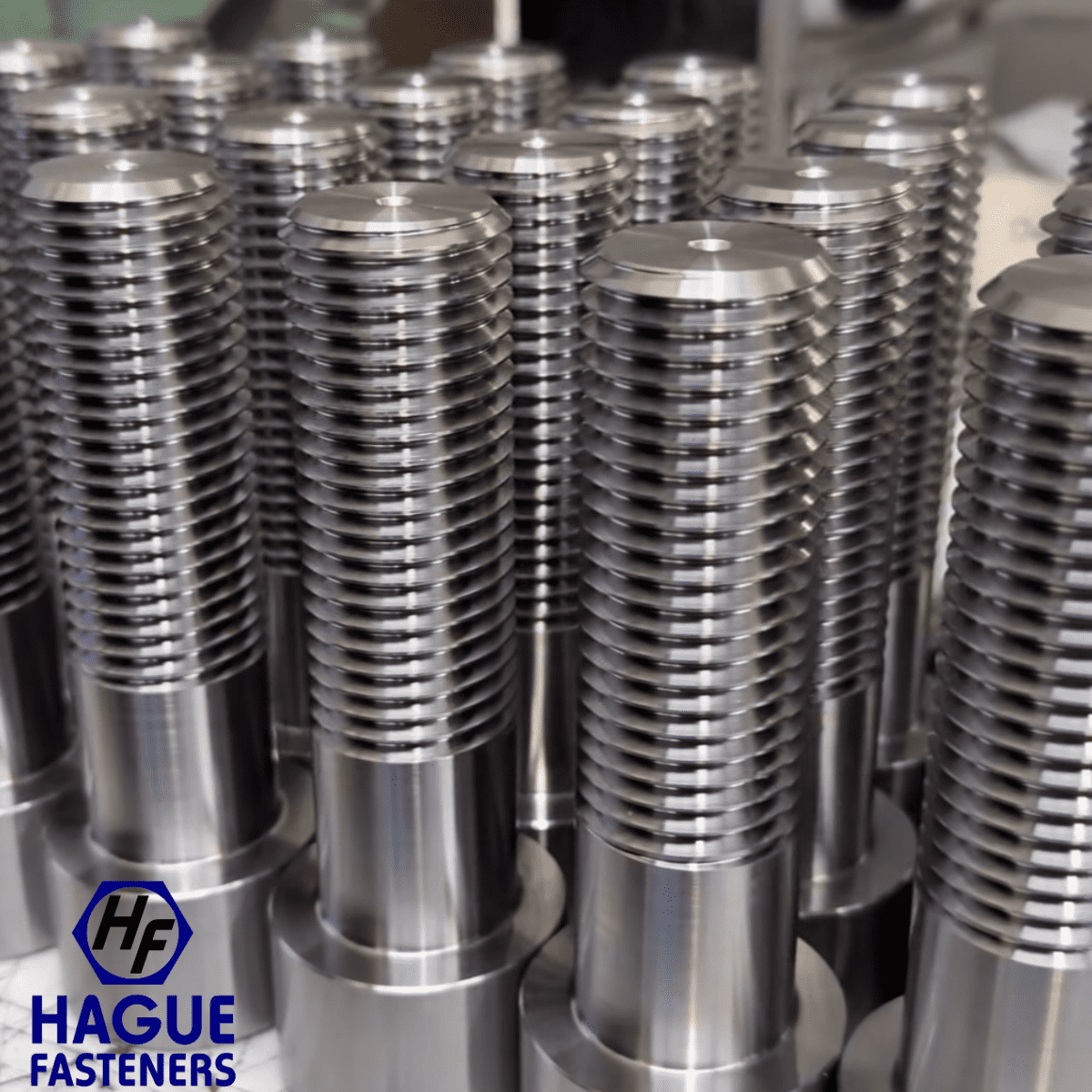
specialist manufactured fasteners

The Main Types of Corrosion Affecting Fasteners

Different types of corrosion behave differently, and each one presents unique risks. Therefore, understanding the main forms of fastener corrosion is a crucial first step in managing it effectively.

Uniform Corrosion

Uniform corrosion spreads evenly across the fastener surface. As the material gradually erodes, the fastener loses strength, which can eventually threaten structural integrity.

Pitting Corrosion

Pitting corrosion creates small, deep pits or holes. These pits can grow quickly and often lead to sudden failure, even under moderate loads. Because pitting is highly localised, it is especially dangerous and can be difficult to detect at an early stage.

Galvanic Corrosion

Galvanic corrosion occurs when two dissimilar metals come into contact in the presence of an electrolyte. This contact creates an electrochemical cell, causing the less noble metal to corrode more rapidly. As a result, severe material loss and structural weakness can occur if the material pairing is not carefully controlled.

Crevice Corrosion

Crevice corrosion develops in tight, enclosed spaces, for example beneath washers or between overlapping components. Because oxygen cannot circulate freely, corrosive elements accumulate. This type of corrosion often goes unnoticed until significant damage has already taken place.

How Corrosion Impacts Fastener Performance

The effects of corrosion in fasteners extend far beyond surface appearance. It can directly affect the safety and reliability of the entire assembly.

  • Reduce load bearing capacity
  • Weaken threads, increasing the risk of stripping or shearing
  • Loosen the fastener, reducing clamping force
  • Lead to premature or catastrophic failure
  • Compromise the overall structural integrity of the assembly

In safety critical environments, these risks are unacceptable. Therefore, proactive corrosion management is essential to maintain fastener performance and integrity.

Effective Ways to Prevent and Mitigate Corrosion

Several proven techniques can significantly reduce the risk of fastener corrosion and extend fastener life. Moreover, combining multiple methods often delivers the most robust protection.

Corrosion Resistant Coatings

Coatings such as zinc plating, mechanical galvanising, or organic coatings act as protective barriers. They corrode sacrificially, protecting the underlying metal. As a result, coated corrosion resistant fasteners can perform reliably in more aggressive environments.

Selecting the Right Materials

Choosing inherently corrosion resistant materials, such as stainless steel or specialist alloys, is one of the most effective long term solutions. These materials maintain integrity even in harsh environments and help reduce the risk of unexpected failures.

Lubrication

Lubricants create a protective layer between the fastener and corrosive elements. They also improve tightening torque, which enhances clamping force and reduces installation related failures. Consequently, lubrication supports both corrosion control and mechanical performance.

Cathodic Protection

Cathodic protection uses sacrificial anodes made from more reactive metals like zinc or aluminium. These anodes corrode first, shielding the fastener from attack. This technique is particularly useful in marine or submerged environments where corrosion risks are elevated.

Inspection and Maintenance

Regular inspection is vital for managing corrosion in fasteners. Visual checks can identify early signs of corrosion, while non destructive testing, such as ultrasonic or magnetic particle inspection, can detect hidden damage.

Routine cleaning also helps remove contaminants that accelerate corrosion. For example, removing dirt, salt, and chemical residues from exposed fasteners reduces the likelihood of corrosion initiating and spreading.

Training and Collaboration Strengthen Corrosion Prevention

Corrosion prevention is most effective when everyone involved understands the risks. Training teams on corrosion awareness, correct installation practices, and maintenance routines helps protect fastener integrity throughout its lifecycle.

Working closely with trusted suppliers also ensures access to high quality, corrosion resistant fasteners and expert guidance on materials, coatings, and performance requirements. In addition, collaboration supports better specification decisions at the design stage.

Conclusion

Corrosion poses a serious threat to fastener performance, safety, and longevity. However, by understanding the different types of corrosion in fasteners and implementing the right preventive measures, manufacturers and end users can significantly reduce the risk of failure.

Using corrosion resistant materials, applying protective coatings, maintaining proper lubrication, employing cathodic protection, and carrying out regular inspections all contribute to long term reliability and structural integrity.

Work With Hague Fasteners

If you require corrosion resistant fasteners for safety critical applications, contact Hague Fasteners. Our team can support complex specifications, challenging environments, and long term supply partnerships.

Connect With Us

Follow Hague Fasteners to see more insights on fastener performance, integrity, and British manufacturing.

Effects of corrosion on fastener performance and integrity

Corrosion is a formidable and persistent challenge faced by the fastener industry, exerting a detrimental impact on the performance and integrity of fasteners. It occurs as a result of metals coming into contact with moisture, air, and other corrosive elements, initiating a series of chemical reactions that ultimately lead to the breakdown of the metal and the deterioration of the fastener. Understanding the various types of corrosion, their effects on fastener performance, and implementing effective mitigation techniques and preventive measures are crucial for ensuring the longevity and reliability of fasteners in diverse applications.

There exist several distinct types of corrosion that can significantly affect fasteners, each presenting its own unique characteristics and risks:

  1. Uniform corrosion: This form of corrosion manifests as a gradual loss of material, spreading evenly across the entire surface of the fastener. As the material erodes, the strength of the fastener diminishes, posing a potential threat to structural integrity.
  2. Pitting corrosion: Pitting corrosion is characterized by the formation of small pits or holes on the surface of the fastener. These pits can rapidly grow in size, compromising the structural integrity of the fastener and potentially leading to premature failure, even when subjected to relatively low loads.
  3. Galvanic corrosion: Galvanic corrosion arises when two dissimilar metals come into contact with each other in the presence of an electrolyte. This contact creates an electrochemical cell, initiating an electrical current that causes corrosion to occur more rapidly in the less noble metal. The galvanic corrosion process can result in severe material degradation and structural weakness.
  4. Crevice corrosion: Crevice corrosion arises in areas where there is limited access to oxygen or water, such as tight spaces between fasteners or beneath washers. The confined environment hinders proper ventilation and drainage, allowing corrosive elements to accumulate and promote localized corrosion. Crevice corrosion can pose a significant risk, as it often goes unnoticed until substantial damage has already occurred.

The impact of corrosion on fastener performance cannot be overstated. Corrosion weakens the fastener, diminishing its load-bearing capacity and making it susceptible to premature failure under normal or even moderate loads. Furthermore, corrosion can compromise the thread strength of the fastener, rendering it more prone to stripping or shearing. Additionally, the corrosion process can loosen the fastener, resulting in a loss of clamping force and potentially compromising the structural integrity of the assembly.

To combat the adverse effects of corrosion, a range of mitigation techniques and preventive measures are available:

  1. Corrosion-resistant coatings: Applying specialized coatings, such as zinc plating or organic coatings, to the surface of the fastener can provide an effective barrier against corrosive elements. These coatings act as sacrificial layers, sacrificially corroding to protect the underlying fastener material.
  2. Selection of appropriate materials: Opting for fasteners made from materials that inherently possess high corrosion resistance, such as stainless steel or other corrosion-resistant alloys, is an effective preventive measure. These materials exhibit superior resistance to corrosion, ensuring the longevity and reliability of fasteners in challenging environments.
  3. Lubrication: The application of lubricants serves multiple purposes in corrosion prevention. Lubricants not only create a protective barrier between the fastener and corrosive elements but also enhance the tightening torque during installation, thereby improving the clamping force and reducing the likelihood of fastener failure.
  4. Cathodic protection: Cathodic protection involves employing sacrificial anodes made of more reactive metals, such as zinc or aluminium, in close proximity to the fasteners. These sacrificial anodes attract corrosive elements and corrode themselves, thus shielding the fasteners from corrosion by acting as a sacrificial layer.
  5. Inspection and maintenance: Regular inspection and maintenance practices play a vital role in detecting and addressing corrosion-related issues promptly.

Routine inspection and maintenance procedures are essential for identifying early signs of corrosion and preventing its progression. Regular visual inspections can help detect visible signs of corrosion, such as discoloration, pitting, or surface irregularities. Additionally, non-destructive testing techniques, such as ultrasonic testing or magnetic particle inspection, can be employed to assess the internal integrity of fasteners and identify hidden corrosion.

Incorporating preventive measures into maintenance routines is crucial for effective corrosion management. This includes implementing a proactive approach to remove and replace corroded fasteners promptly. Corroded fasteners should be replaced with new ones that are resistant to corrosion, ensuring the continued structural integrity and reliability of the assembly.

Moreover, conducting regular cleaning and maintenance of fasteners is paramount. Removing accumulated dirt, debris, and corrosive contaminants from fastener surfaces reduces the risk of corrosion initiation and progression. It is advisable to utilize appropriate cleaning agents and techniques that are compatible with the fastener material to avoid causing any additional damage.

Education and training on corrosion awareness and prevention should be provided to personnel involved in fastener handling, installation, and maintenance. By raising awareness about the detrimental effects of corrosion and the importance of preventive measures, employees can actively contribute to maintaining the integrity of fasteners throughout their lifecycle.

Collaboration with suppliers and manufacturers is also crucial in mitigating the impact of corrosion on fastener performance. Engaging in a dialogue with suppliers can ensure the procurement of high-quality, corrosion-resistant fasteners that meet the specific requirements of the intended application. Manufacturers can provide guidance on material selection, surface treatments, and coating options that offer enhanced corrosion protection.

In conclusion, corrosion poses significant challenges to the fastener industry, affecting the performance and integrity of fasteners. Understanding the various types of corrosion, their effects, and implementing appropriate mitigation techniques and preventive measures are vital for ensuring the longevity and reliability of fasteners. By employing corrosion-resistant coatings, selecting suitable materials, practicing proper lubrication, utilizing cathodic protection, and conducting regular inspection and maintenance, fastener manufacturers and users can effectively combat the adverse effects of corrosion, ensuring the safe and reliable operation of their products in diverse environments.