Tag Archives: Corrosion

The Hidden Dangers of Corrosion in Fasteners

The Effects of Corrosion on Fastener Performance and Integrity

Corrosion is one of the most significant threats to fastener performance. It weakens materials, reduces load bearing capacity, and can lead to premature or even catastrophic failure. When metal is exposed to moisture, oxygen, chemicals, or other corrosive elements, a series of reactions begin. Over time, these reactions break down the metal and compromise the integrity of the fastener. Understanding how corrosion in fasteners forms, and how to prevent it, is essential for ensuring long term reliability in safety critical applications.
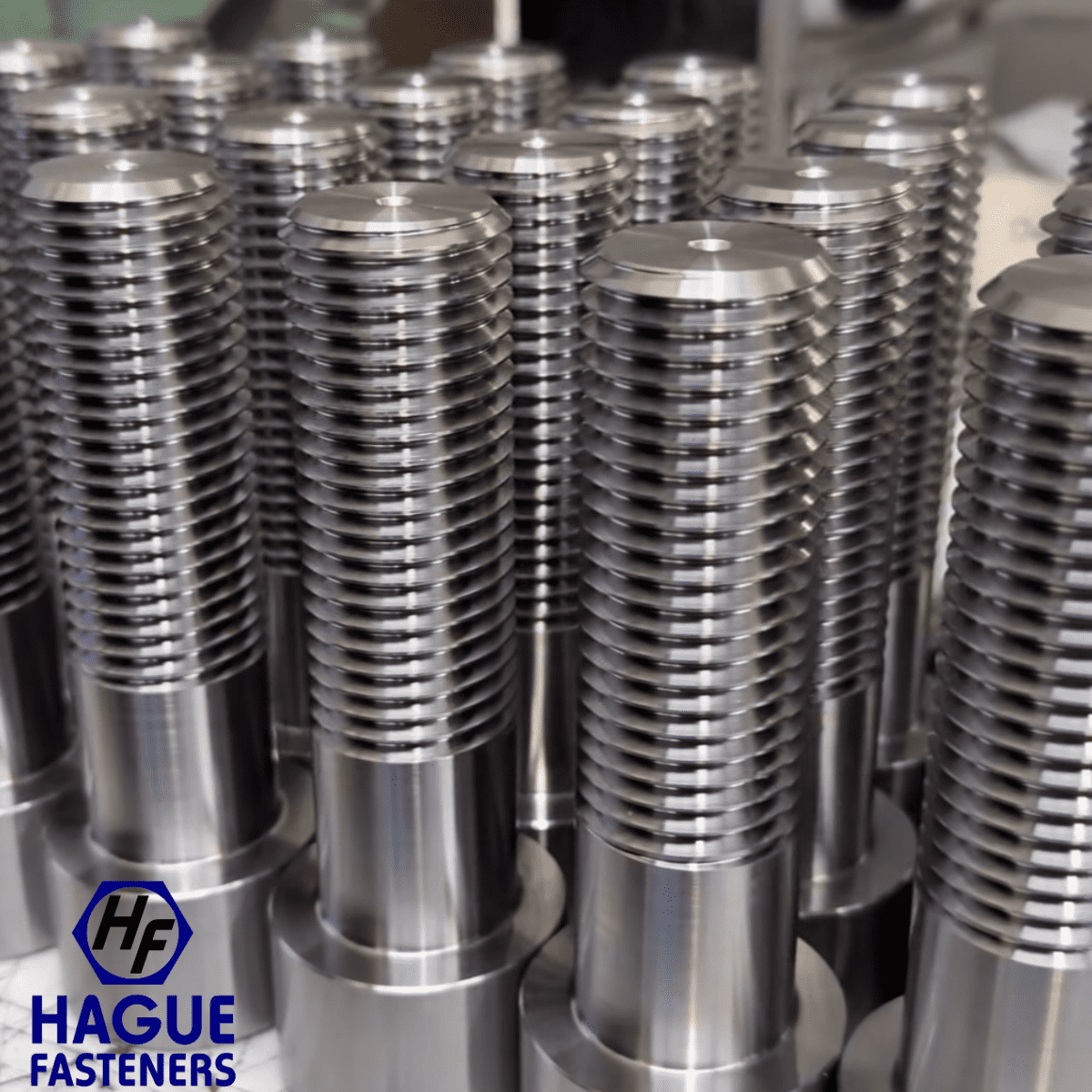
specialist manufactured fasteners

The Main Types of Corrosion Affecting Fasteners

Different types of corrosion behave differently, and each one presents unique risks. Therefore, understanding the main forms of fastener corrosion is a crucial first step in managing it effectively.

Uniform Corrosion

Uniform corrosion spreads evenly across the fastener surface. As the material gradually erodes, the fastener loses strength, which can eventually threaten structural integrity.

Pitting Corrosion

Pitting corrosion creates small, deep pits or holes. These pits can grow quickly and often lead to sudden failure, even under moderate loads. Because pitting is highly localised, it is especially dangerous and can be difficult to detect at an early stage.

Galvanic Corrosion

Galvanic corrosion occurs when two dissimilar metals come into contact in the presence of an electrolyte. This contact creates an electrochemical cell, causing the less noble metal to corrode more rapidly. As a result, severe material loss and structural weakness can occur if the material pairing is not carefully controlled.

Crevice Corrosion

Crevice corrosion develops in tight, enclosed spaces, for example beneath washers or between overlapping components. Because oxygen cannot circulate freely, corrosive elements accumulate. This type of corrosion often goes unnoticed until significant damage has already taken place.

How Corrosion Impacts Fastener Performance

The effects of corrosion in fasteners extend far beyond surface appearance. It can directly affect the safety and reliability of the entire assembly.

  • Reduce load bearing capacity
  • Weaken threads, increasing the risk of stripping or shearing
  • Loosen the fastener, reducing clamping force
  • Lead to premature or catastrophic failure
  • Compromise the overall structural integrity of the assembly

In safety critical environments, these risks are unacceptable. Therefore, proactive corrosion management is essential to maintain fastener performance and integrity.

Effective Ways to Prevent and Mitigate Corrosion

Several proven techniques can significantly reduce the risk of fastener corrosion and extend fastener life. Moreover, combining multiple methods often delivers the most robust protection.

Corrosion Resistant Coatings

Coatings such as zinc plating, mechanical galvanising, or organic coatings act as protective barriers. They corrode sacrificially, protecting the underlying metal. As a result, coated corrosion resistant fasteners can perform reliably in more aggressive environments.

Selecting the Right Materials

Choosing inherently corrosion resistant materials, such as stainless steel or specialist alloys, is one of the most effective long term solutions. These materials maintain integrity even in harsh environments and help reduce the risk of unexpected failures.

Lubrication

Lubricants create a protective layer between the fastener and corrosive elements. They also improve tightening torque, which enhances clamping force and reduces installation related failures. Consequently, lubrication supports both corrosion control and mechanical performance.

Cathodic Protection

Cathodic protection uses sacrificial anodes made from more reactive metals like zinc or aluminium. These anodes corrode first, shielding the fastener from attack. This technique is particularly useful in marine or submerged environments where corrosion risks are elevated.

Inspection and Maintenance

Regular inspection is vital for managing corrosion in fasteners. Visual checks can identify early signs of corrosion, while non destructive testing, such as ultrasonic or magnetic particle inspection, can detect hidden damage.

Routine cleaning also helps remove contaminants that accelerate corrosion. For example, removing dirt, salt, and chemical residues from exposed fasteners reduces the likelihood of corrosion initiating and spreading.

Training and Collaboration Strengthen Corrosion Prevention

Corrosion prevention is most effective when everyone involved understands the risks. Training teams on corrosion awareness, correct installation practices, and maintenance routines helps protect fastener integrity throughout its lifecycle.

Working closely with trusted suppliers also ensures access to high quality, corrosion resistant fasteners and expert guidance on materials, coatings, and performance requirements. In addition, collaboration supports better specification decisions at the design stage.

Conclusion

Corrosion poses a serious threat to fastener performance, safety, and longevity. However, by understanding the different types of corrosion in fasteners and implementing the right preventive measures, manufacturers and end users can significantly reduce the risk of failure.

Using corrosion resistant materials, applying protective coatings, maintaining proper lubrication, employing cathodic protection, and carrying out regular inspections all contribute to long term reliability and structural integrity.

Work With Hague Fasteners

If you require corrosion resistant fasteners for safety critical applications, contact Hague Fasteners. Our team can support complex specifications, challenging environments, and long term supply partnerships.

Connect With Us

Follow Hague Fasteners to see more insights on fastener performance, integrity, and British manufacturing.

Fastener fatigue life and failure analysis in harsh offshore environments

The offshore oil industry operates in some of the harshest environments on earth, with subsea equipment and pipelines subjected to extreme conditions such as high pressure, temperature, and corrosive seawater. Fasteners used in these environments are critical components that hold everything together, and their failure can have serious consequences such as leaks, spills, and equipment damage. This publication focuses on the impact of seawater exposure and cyclic loading on bolt failure in offshore platforms and recommends preventive measures to mitigate this risk.

Fastener fatigue life

Fastener fatigue is a common mode of failure in offshore platforms, where equipment and pipelines are subjected to cyclic loading over long periods. This loading can cause microscopic cracks to form in the fastener material, which can grow and eventually lead to catastrophic failure. Fastener fatigue life is influenced by several factors, including the material properties, the design of the joint, the loading conditions, and the operating environment.

Material properties

The choice of material for fasteners is critical in harsh offshore environments, where seawater exposure and corrosive gases can cause rapid degradation of certain materials. Common materials used for fasteners in offshore platforms include carbon steel, alloy steel, and stainless steel. Carbon steel is the most common material due to its high strength and low cost, but it is also susceptible to corrosion in seawater. Alloy steel and stainless steel are more resistant to corrosion, but they are also more expensive and may not be suitable for all applications.

Design of the joint

The design of the joint can also have a significant impact on fastener fatigue life. Factors such as the size and shape of the fastener, the number of fasteners, and the preload applied to the joint can all affect the fatigue behaviour. For example, joints with too few fasteners or insufficient preload may experience higher stress concentrations and be more prone to fatigue failure.

Loading conditions

The loading conditions that fasteners are subjected to can also impact fatigue life. In offshore platforms, cyclic loading is common due to the continuous movement of the platform caused by waves and wind. The frequency and magnitude of the cyclic loading can vary depending on the location and weather conditions, and can significantly affect the fatigue behaviour of the fasteners.

Operating environment

The operating environment in offshore platforms can also affect fastener fatigue life. Seawater exposure is a major concern, as it can cause corrosion and stress corrosion cracking in certain materials. The presence of corrosive gases such as hydrogen sulphide can also accelerate degradation and increase the risk of failure.

Case study: Impact of seawater exposure and cyclic loading on bolt failure

To illustrate the impact of seawater exposure and cyclic loading on bolt failure in offshore platforms, a case study is presented here. The case study focuses on a subsea pipeline connection in the North Sea, where several bolts failed after only a few years of service.

The pipeline connection consisted of two flanges, each with 12 bolts, that were connected using a bolt tensioning system. The bolts were made of carbon steel and had a diameter of 1 inch. The pipeline was exposed to seawater and subjected to cyclic loading due to the continuous movement of the platform caused by waves and wind.

After a few years of service, several bolts in the connection failed due to fatigue. Failure analysis revealed that the bolts had developed fatigue cracks at the root of the threads, which had grown and eventually led to complete fracture. The cracks were caused by the cyclic loading of the pipeline, which had exceeded the fatigue limit of the bolts.

Further analysis also revealed that the seawater exposure had accelerated the corrosion of the bolts, reducing their strength and contributing to the fatigue failure. The combination of cyclic loading and seawater exposure had therefore significantly reduced the fatigue life of the bolts, leading to premature failure.

Preventive measures

To prevent fastener failure in offshore platforms, several preventive measures can be implemented. These measures include:

  1. Material selection: Choosing the right material for fasteners is critical in offshore platforms. Corrosion-resistant materials such as alloy steel and stainless steel are preferred for applications where seawater exposure is a concern.
  2. Coatings: Applying coatings such as zinc, cadmium, or other anti-corrosion coatings can help protect fasteners from the corrosive effects of seawater. However, the coating must be carefully selected based on the specific application and environmental conditions.
  3. Preload: Properly tightening fasteners to the recommended preload can help distribute the load evenly and reduce stress concentrations. This can help prevent fatigue cracks from forming and improve the fatigue life of the joint.
  4. Inspection: Regular inspection of fasteners can help detect early signs of corrosion, cracking, or other defects. This can help identify potential problems before they become serious and allow for preventive measures to be implemented.
  5. Maintenance: Proper maintenance of offshore equipment and pipelines is critical to preventing fastener failure. Regular cleaning and inspection can help reduce the impact of seawater exposure and ensure that fasteners are functioning properly.

Conclusion

Fastener fatigue life and failure analysis are critical issues in offshore platforms, where equipment and pipelines are subjected to extreme conditions such as seawater exposure and cyclic loading. The case study presented here illustrates the impact of these factors on bolt failure and highlights the importance of preventive measures to mitigate the risk.

Proper material selection, coatings, preload, inspection, and maintenance can all help improve the fatigue life of fasteners and prevent premature failure. By implementing these measures, offshore operators can reduce the risk of equipment damage, spills, and environmental damage, and ensure the safe and reliable operation of their assets.